
Best Day Trips from Orange NSW: 8 Scenic Escapes Worth the Drive
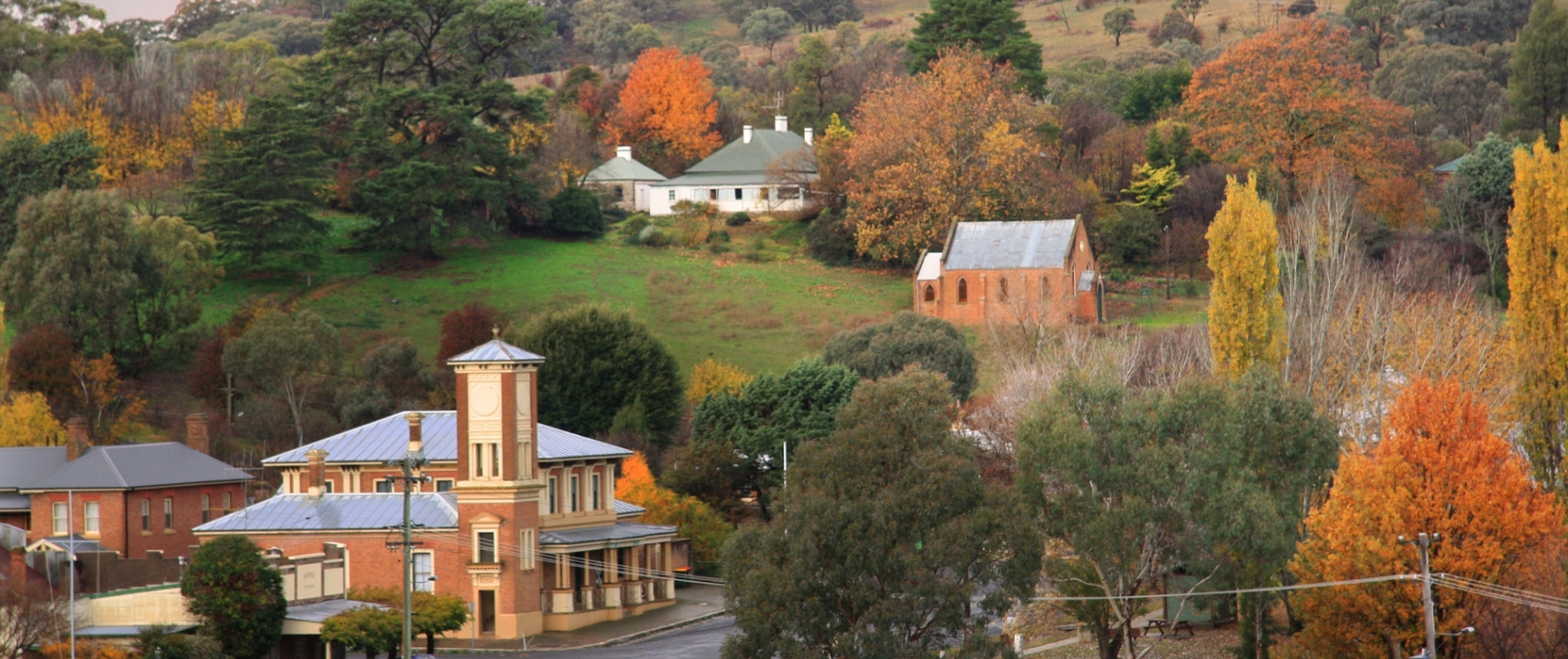
Orange is one of those towns that rewards slow travel. The cool-climate food and wine scene, the heritage streetscapes, the volcanic landscapes, and the genuinely good coffee are all reason enough to visit. But what makes Orange particularly special is what surrounds it: within 90 minutes in any direction, you have heritage villages, ancient cave systems, hot air balloon towns, motorsport history, and some of the most scenic wine country in New South Wales.
Whether you’re spending a long weekend or extending a work trip, these are the day trips worth building your itinerary around.
Quick Summary
- Best all-rounder: Millthorpe for heritage, cafes, and an easy half-day
- Best for couples: Canowindra for ballooning or the Cargo Road wine trail for a long lunch
- Best for families: Mount Canobolas, Lake Canobolas, or Cowra
- Best for history: Carcoar for colonial heritage, or Cowra for wartime history
- Best for nature: Borenore Caves and Mount Canobolas
- Best bigger-day option: Bathurst for motorsport, museums, and a proper city feel
A note on distance: All trips below are under 90 minutes from Orange’s CBD. Most are under an hour. You won’t spend your day in the car.
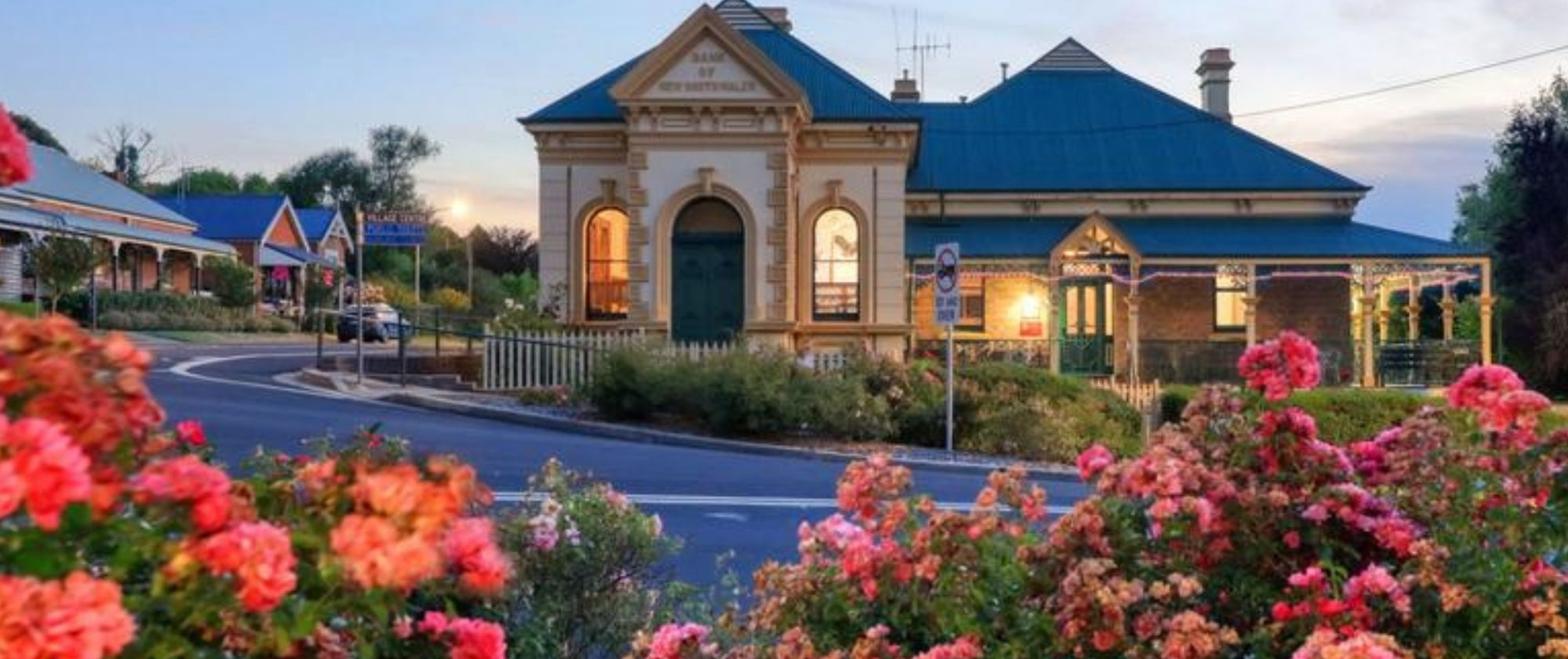
Image credit Orange 360
1. Millthorpe: The Heritage Village That Gets It Right
Drive time: 25 minutes south-east of Orange
Millthorpe is the easiest sell of any day trip in the region. It’s a heritage-listed village of around 800 people that has held onto its 19th-century streetscape almost entirely intact, without tipping into the kind of over-curated twee that makes some heritage towns feel like theme parks.
The main street is genuinely worth a slow walk. Antique shops, independent boutiques, and a handful of excellent cafes sit in buildings that haven’t changed much since the gold rush era. The local bakery draws a crowd on weekends, and if you’re visiting in the warmer months, the surrounding countryside is in full bloom.
What to do in Millthorpe
- Browse the antique shops and galleries along Pym Street
- Stop for brunch or lunch at one of the village cafes
- Visit the nearby cellar doors, including Borrodell Vineyard, which also has an orchard and produces cider
- Walk the village streets and photograph the original Victorian architecture
- Pick up local produce from farm stalls on the drive in or out
Best for
Couples, slow travellers, anyone who likes beautiful old buildings and good coffee without a crowd.
Best time to go
Spring and autumn, when the surrounding gardens and orchards are at their best. Weekday visits are quieter, though the village is relaxed enough that weekends aren’t overwhelming.
Know before you go
Millthorpe is small. Most things close by mid-afternoon on weekdays, so aim to arrive by 10am if you want the full run of the village.
Image credit Carcoar Village Website
2. Carcoar: NSW’s Most Intact Historic Village
Drive time: 35 minutes south of Orange
Carcoar makes Millthorpe look busy. It’s one of the best-preserved 19th-century villages in New South Wales, with a main street that has changed so little it has been used repeatedly as a film and television location. The Carcoar Historic Village sits on the banks of the Belubula River and the whole place has a quiet, unhurried quality that is increasingly hard to find.
The sandstone courthouse, the old bank buildings, and the church on the hill are all worth seeing. This is not a town full of tourist shops; it’s a real place that happens to look like a film set.
What to do in Carcoar
- Walk the heritage trail through the main street and along the Belubula River
- Visit the Carcoar Dam, a short drive from the village, for picnics and birdwatching
- Stop at the local pub for a counter lunch
- Photograph the sandstone courthouse and colonial streetscape
- Combine with a stop in Millthorpe on the way back for a full day out
Best for
History lovers, photographers, couples looking for something genuinely off the beaten track.
Best time to go
Any time of year. Autumn light on the sandstone buildings is particularly good. Avoid going on a Sunday if you want the pub open.
Know before you go
Carcoar is tiny and services are limited. Bring your own snacks or plan your visit around the pub’s trading hours.
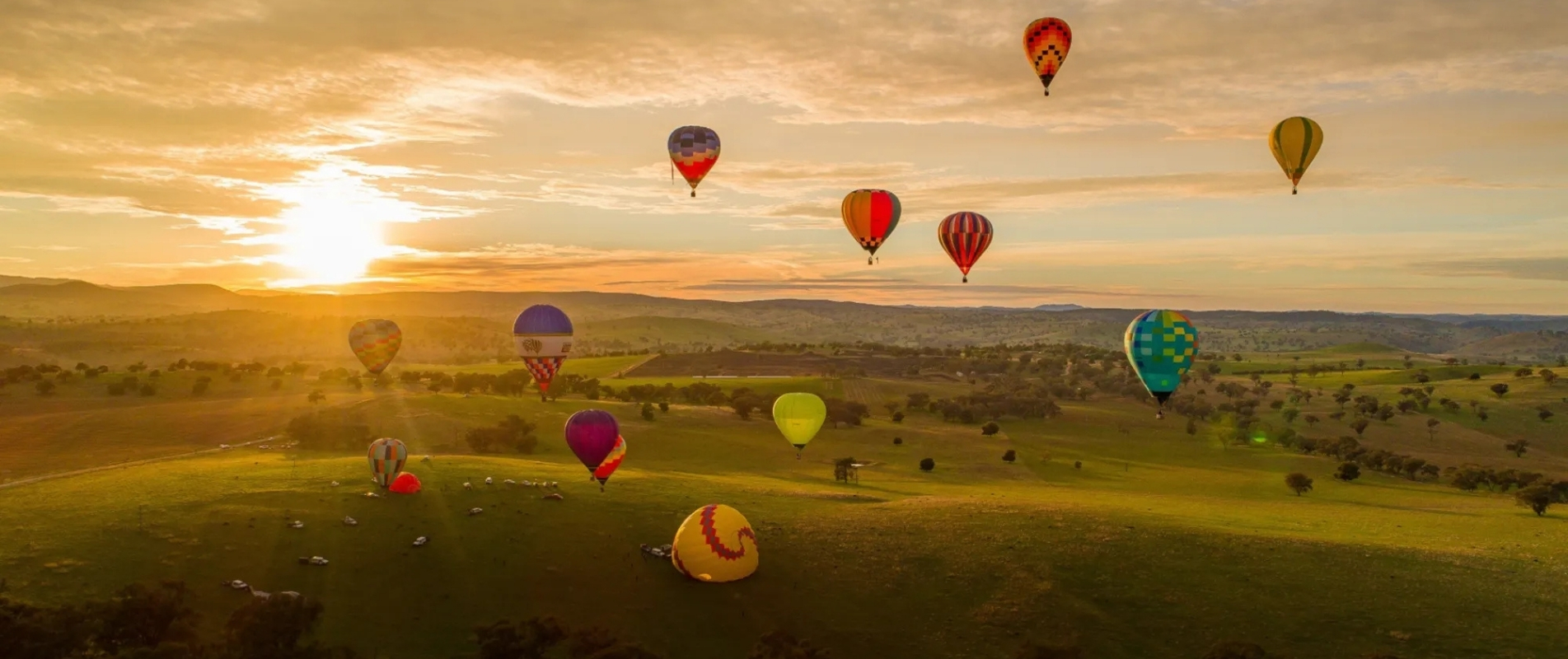
Image credit Orange 360
3. Canowindra: Balloons, Fossils, and a Surprisingly Good Main Street
Drive time: 45 minutes south-east of Orange
Canowindra (pronounced “Ca-NOWNdra” by locals) punches well above its weight for a town of 1,500 people. It is the hot air ballooning capital of Australia, home to the Age of Fishes Museum with one of the world’s most significant collections of Devonian fish fossils, and has a main street with enough good food and wine to fill a comfortable afternoon.
The ballooning scene here is the real draw for many visitors. Operators offer flights over the Belubula Valley at dawn, and the landscape from the air, rolling hills, river flats, and vineyard rows, is genuinely spectacular.
What to do in Canowindra
- Book a sunrise hot air balloon flight over the Belubula Valley (book well in advance, especially on weekends)
- Visit the Age of Fishes Museum, which houses fossils dating back 360 million years
- Walk the heritage-listed main street and stop for coffee or lunch
- Browse the local galleries and boutiques
- Visit nearby Windowrie Winery for a cellar door tasting with valley views
Best for
Couples, families with curious kids, anyone who wants a memorable experience rather than just a scenic drive.
Best time to go
Spring and autumn for ballooning conditions and pleasant temperatures. The Canowindra International Balloon Challenge is held annually and draws hundreds of balloons from around the world.
Know before you go
Balloon flights must be booked in advance and are weather-dependent. If you’re visiting purely for the flight, have a backup plan for the day in case conditions don’t cooperate.
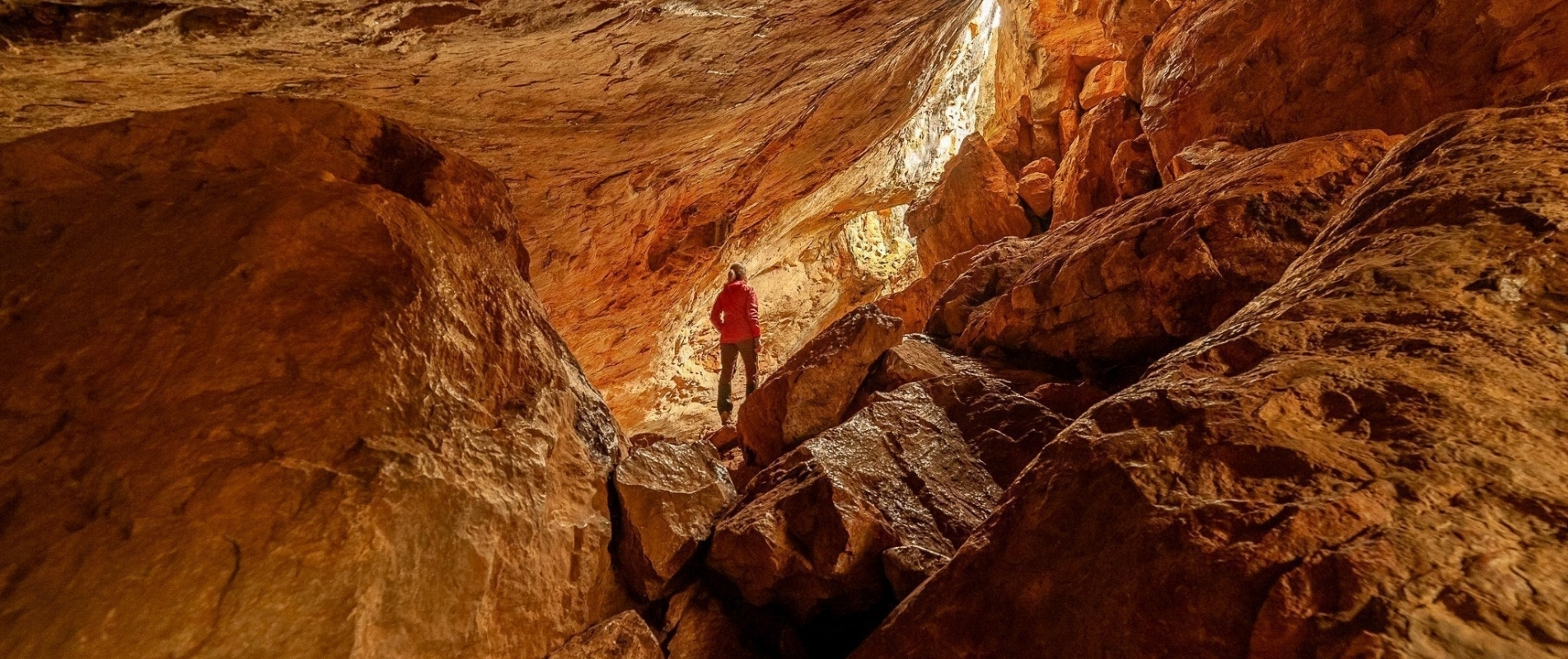
Image credit Hike Your Story
4. Borenore Caves and the Borenore Trail: Nature, Wine, and Ancient Geology
Drive time: 20 minutes west of Orange
The Borenore area offers two very different reasons to visit, and you can easily combine both in a single day. The first is the Borenore Karst Conservation Reserve, a free-entry national park with a network of natural limestone caves formed by volcanic activity from nearby Mount Canobolas. The second is the Borenore Trail, a cluster of cellar doors, farm gates, and produce outlets within a short drive of each other.
The caves themselves are undeveloped, which is part of the appeal. There are no guided tours or handrails; you bring your own torch and explore at your own pace. The Verandah Cave is the most accessible, with a walk of around six kilometres return from the picnic area. The marble quarried from this reserve was used in the Strand Arcade in Sydney and reportedly in Buckingham Palace, which gives you a sense of how significant the geology here actually is.
If you want to pair the caves with more walking in the area, our guide to hikes, tracks and waterholes around Orange covers the full range of options within easy reach of town.
What to do around Borenore
- Explore the cave system at Borenore Karst Conservation Reserve (bring a torch and sturdy shoes)
- Picnic at the reserve’s picnic area beside Boree Creek
- Drive the Borenore Trail and visit cellar doors including Heifer Station, Small Acres Cyder, and Orange Mountain Wines
- Stop at the Norland Fig Orchard for fresh and dried figs in season
- Pick up apple cider at Small Acres Cyder, one of the region’s most awarded cider producers
Best for
Nature lovers, wine and produce enthusiasts, active travellers who want a mix of walking and tasting.
Best time to go
The caves are accessible year-round in all weather on sealed roads. Cellar doors along the Borenore Trail are generally open Thursday to Sunday; check individual websites before visiting.
Know before you go
The caves are free to enter but bring your own water, as the creek water is not suitable for drinking. Cave floors are slippery even when dry, so footwear matters.
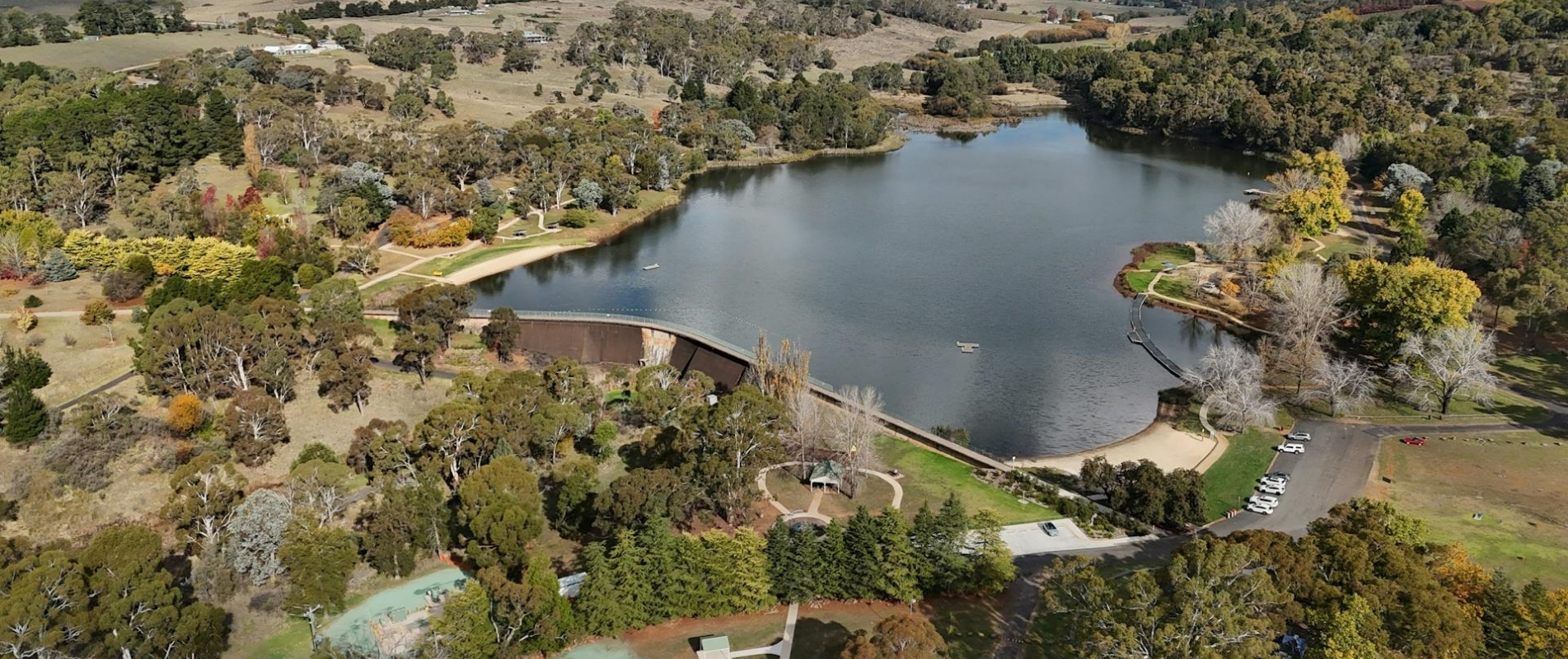
Image credit Orange 360
5. Mount Canobolas and Lake Canobolas: The Scenic Escape on Your Doorstep
Drive time: 15 minutes south-west of Orange
Mount Canobolas is an extinct volcano that sits at 1,395 metres above sea level, making it the highest point in the Central West and the source of the cold air that gives the Orange wine region its character. Lake Canobolas, formed in the crater below the summit, is one of those spots that Orange locals visit constantly but rarely think to mention to visitors.
The views from the summit on a clear day stretch across the Central Tablelands in every direction. The walking tracks around the lake and through the surrounding reserve are well-maintained and suitable for most fitness levels, making this an easy half-day option that can be combined with a cellar door visit on the way back into town. For a full rundown of walks in and around Orange, including the Federal Falls track and the Mount Canobolas Summit, see our guide to hikes and nature trails near Orange.
What to do at Mount and Lake Canobolas
- Walk the Lake Canobolas circuit track, a gentle loop around the lake with mountain views
- Drive to the Mount Canobolas summit lookout for panoramic views across the Central West
- Picnic at the lake foreshore, which has barbecue facilities and shelter
- Birdwatch in the surrounding reserve, which supports a range of woodland species
- Combine with a visit to nearby Cargo Road cellar doors for a wine tasting on the way home
Best for
Families, active travellers, anyone who wants fresh air and scenery without a long drive.
Best time to go
Spring for wildflowers, autumn for the golden light and cool temperatures. Winter mornings can bring frost and occasional snow at the summit, which is genuinely spectacular if you time it right.
Know before you go
The road to the summit is sealed and accessible by 2WD vehicles. The area can be cold and windy even in summer, so bring a layer regardless of the forecast in town.
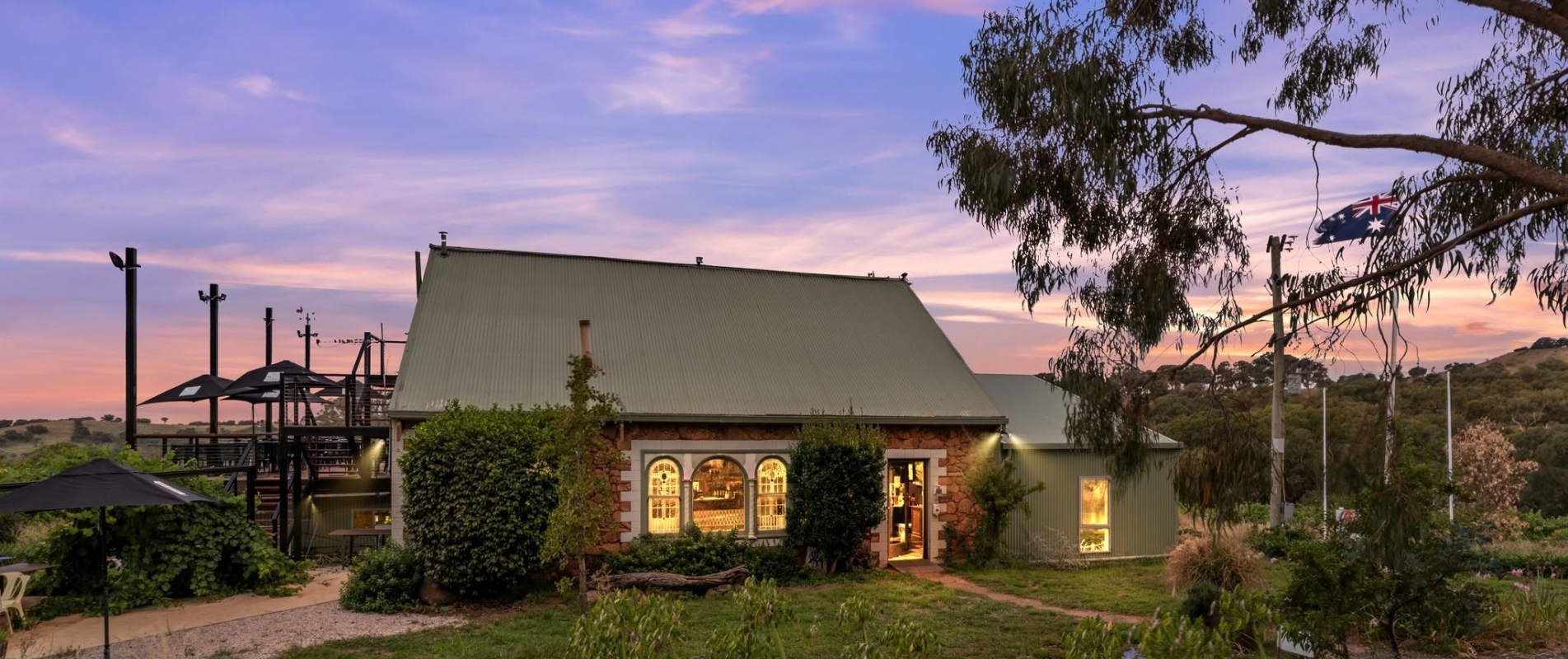
Image credit Cargo Road FB
6. The Cargo Road Wine Trail: A Long Lunch Without the Crowds
Drive time: 20 to 30 minutes south of Orange
The Cargo Road corridor is where many of the Orange wine region’s most acclaimed producers are clustered. Unlike a formal wine trail with a set itinerary, this is more of a scenic drive through cool-climate vineyards where you can stop as little or as much as you like. The road itself winds through undulating countryside south of Orange, and the views between cellar doors are half the appeal.
The producers along this stretch tend to be smaller and more personal than some of the bigger names closer to town. Tastings are often conducted by the winemaker or a family member, which makes for a very different experience to a polished cellar door with a tasting menu.
Cellar doors worth stopping at along Cargo Road
- Printhie Wines – one of the region’s larger and more awarded producers, with a well-designed cellar door and sweeping views
- Rowlee Wines – boutique, family-owned, known for Chardonnay and Pinot Noir
- See Saw Wines – certified organic, with a relaxed and welcoming cellar door
- Nashdale Lane – small-batch wines in a beautiful vineyard setting
- De Salis Wines – family-run and focused on minimal-intervention winemaking
Best for
Wine lovers, couples, anyone who wants a long, unhurried afternoon without needing to drive to multiple postcodes.
Best time to go
Harvest season (February to April) is the most atmospheric time to visit, when the vines are heavy with fruit and the winemakers are at their most animated. Most cellar doors are open Thursday to Sunday; some require bookings, particularly for group tastings.
Know before you go
Check individual cellar door websites or the Orange Wine Region visitor guide before heading out. Opening hours vary and some producers close during vintage.
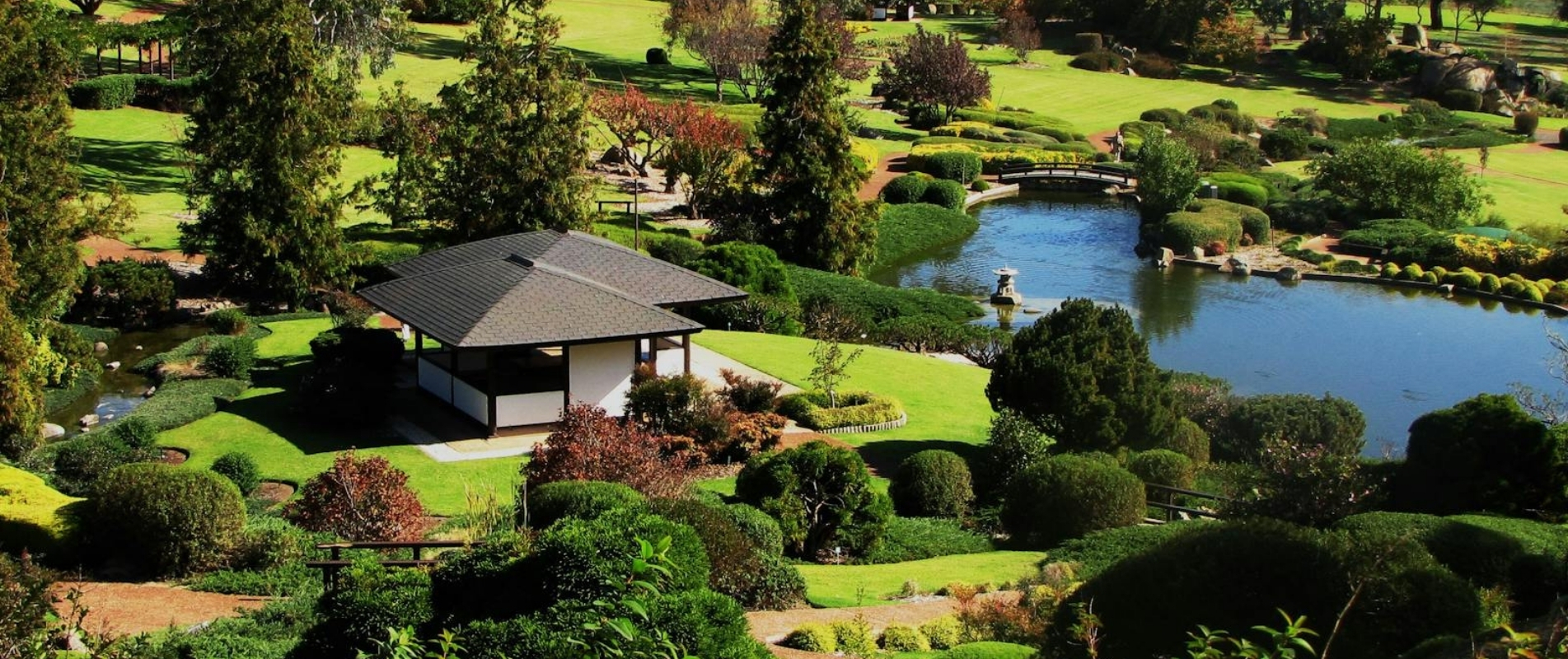
Image credit Visit NSW
7. Cowra: Japanese Gardens, War History, and a Genuinely Good Day Out
Drive time: 1 hour 5 minutes south-east of Orange
Cowra is one of those regional towns that has more going on than its size suggests. It sits on the Lachlan River and carries a significant piece of Australian wartime history: the Cowra Breakout of 1944, when over 1,000 Japanese prisoners of war escaped from the local POW camp in one of the largest prison escapes of the Second World War. The story is sobering and fascinating in equal measure, and the town has handled its history with genuine thoughtfulness.
The Cowra Japanese Garden and Cultural Centre is the most visited attraction in town and one of the largest Japanese gardens in the Southern Hemisphere. It was built as a gesture of reconciliation and is genuinely beautiful, particularly in autumn when the Japanese maples are at their best.
What to do in Cowra
- Walk the Cowra Japanese Garden, especially striking in autumn and spring
- Visit the Cowra Breakout site and the war cemeteries, which include both Australian and Japanese graves
- Stop at the Cowra Visitor Centre for context on the town’s history
- Browse the main street for cafes and local produce
- Consider combining with a stop in Carcoar or Millthorpe on the drive back through
Best for
History enthusiasts, garden lovers, couples, families with teenagers who can engage with the historical context.
Best time to go
Autumn (March to May) for the Japanese maples in the garden, or spring for blossom. The town is pleasant year-round.
Know before you go
The Japanese Garden charges an entry fee. The Breakout site and war cemeteries are free. Allow at least half a day if you want to cover both properly.
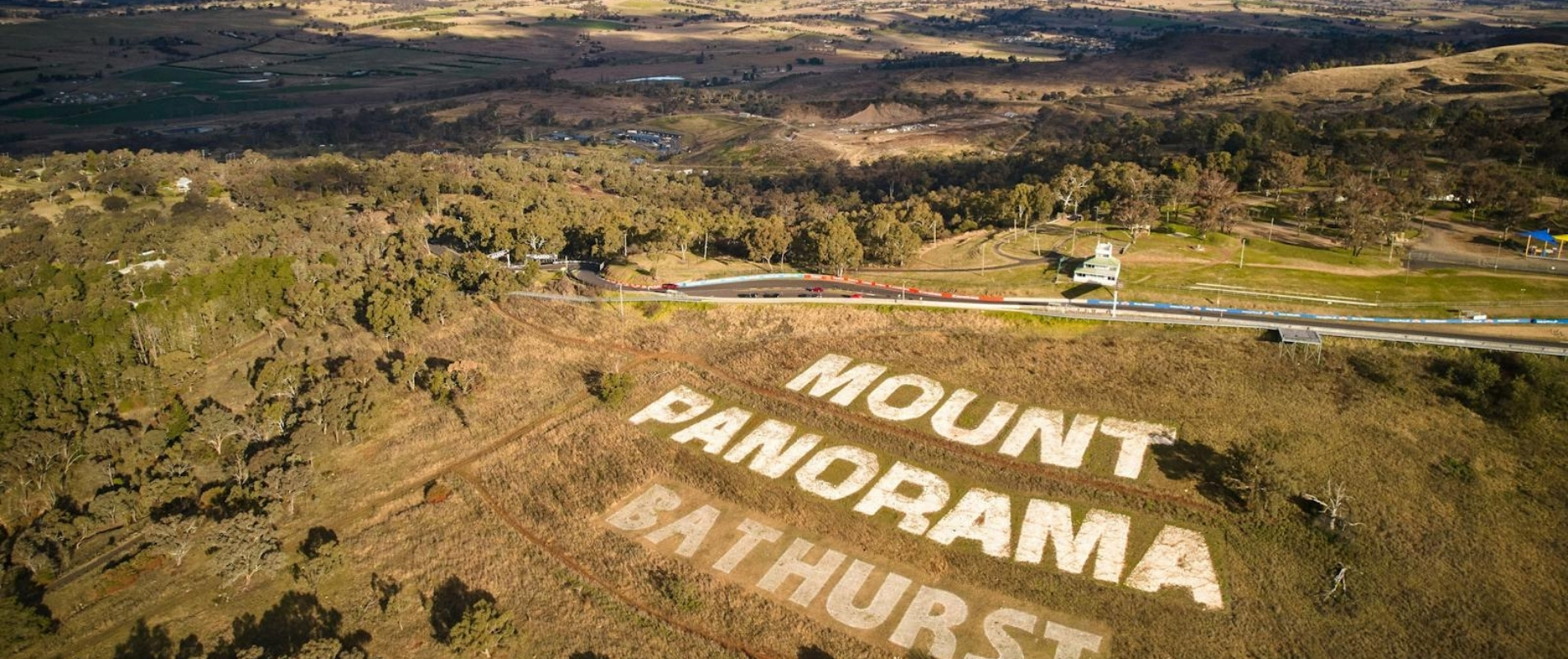
Image credit Visit NSW
8. Bathurst: Motorsport, Museums, and a Proper City Day
Drive time: 50 minutes east of Orange
Bathurst is the largest city within easy reach of Orange, and it earns its place on this list for a different reason than the others: it gives you a proper day out with proper infrastructure. Good restaurants, major museums, and the most famous motorsport circuit in Australia all sit within a compact, walkable city that has been the capital of the Central West since the 1800s.
Mount Panorama is the obvious drawcard. Even outside race weekends, you can drive the circuit in your own car (at road speed), and the combination of elevation change and sweeping corners gives you a real sense of why it produces such dramatic racing. The National Motor Racing Museum at the foot of the mountain is worth a couple of hours for anyone with even a passing interest in motorsport history.
Beyond the circuit, Bathurst has a strong food and coffee scene, a well-preserved heritage precinct around Russell Street, and the excellent Bathurst Regional Art Gallery.
What to do in Bathurst
- Drive Mount Panorama circuit (public road, open daily outside race events)
- Visit the National Motor Racing Museum at the base of the mountain
- Walk the heritage precinct along William and Russell Streets
- Visit the Bathurst Regional Art Gallery for rotating exhibitions
- Have lunch or dinner at one of the restaurants in the CBD
Best for
Motorsport fans, families, anyone who wants the feel of a city day without the drive to Sydney.
Best time to go
Any time of year. Race weekends (particularly the Bathurst 1000 in October) bring massive crowds and accommodation books out months in advance, so plan accordingly or avoid entirely if you prefer a quieter visit.
Know before you go
Bathurst is big enough to need a plan. Decide before you go whether it’s a motorsport day, a food and culture day, or a mix of both. Trying to do everything in one visit leads to doing nothing well.
Quick Guide: Which Day Trip Is Right for You?
Not sure where to start? Here’s a shortcut based on what you’re after.
If you only have one free day: Millthorpe in the morning, Cargo Road cellar doors in the afternoon. You’ll be back in Orange for dinner without feeling rushed.
Best for couples: Canowindra (balloon flight at dawn, lunch on the main street) or the Cargo Road wine trail with a long cellar door lunch.
Best for families: Cowra Japanese Garden and Breakout site, or Mount and Lake Canobolas for walking and a picnic. Our family itinerary for Orange also covers the best in-town options to round out a family weekend.
Best for wine lovers: Cargo Road Trail or the Borenore Trail, both of which have enough cellar doors to fill a full day without repetition.
Best for history: Carcoar or Cowra, depending on whether you want colonial architecture or wartime history.
Best for nature and walking: Borenore Caves and the surrounding reserve, or Mount Canobolas for views and birdwatching.
Best in winter: Carcoar and Millthorpe both have a cosy, fireside quality in the colder months. Several cellar doors along the Cargo Road Trail also offer winter tasting menus and open fires.
Best in autumn: Cowra for the Japanese maples, or any of the wine trails during harvest (February to April).
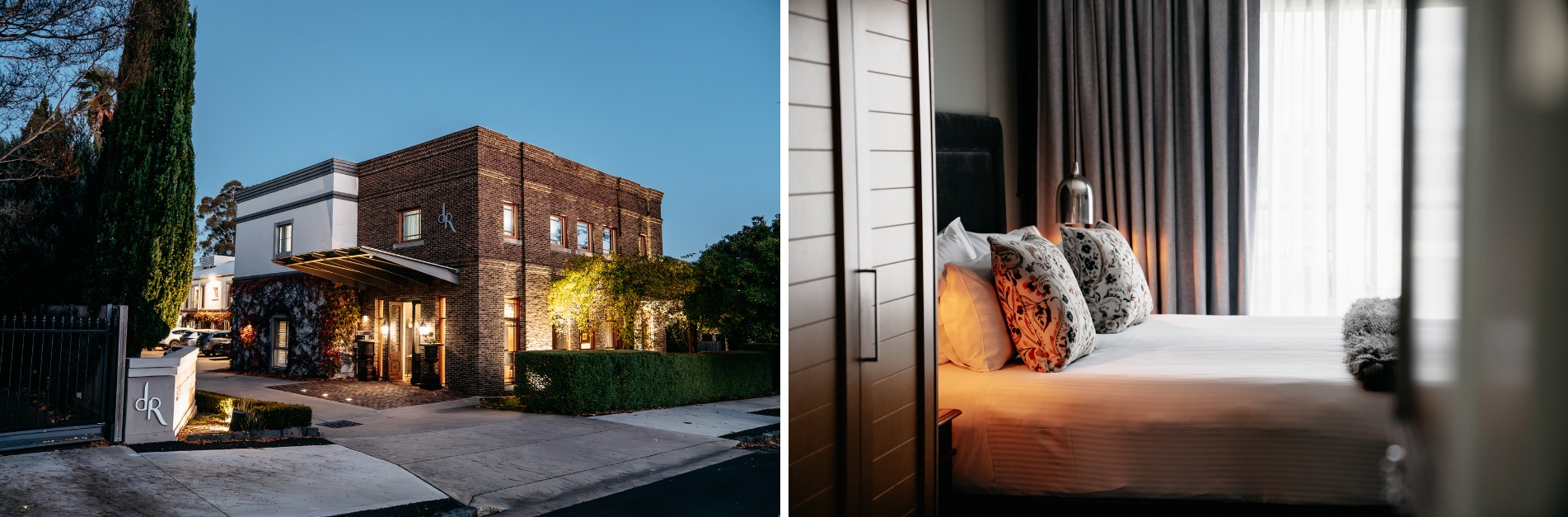
Make Orange Your Base
The thing about all of these day trips is that they work best when you’re not rushing back to somewhere inconvenient. Orange’s CBD location puts you within easy reach of every destination on this list, which means you can leave after a proper breakfast, spend the day without watching the clock, and be back for dinner at one of the town’s excellent restaurants.
If you’re planning a few days in the region, staying centrally makes the logistics simple. de Russie Boutique Hotel sits in the heart of Orange’s CBD, with self-contained suites and apartments that give you a comfortable base to come back to after a long day on the road. If you’re still planning what to do in Orange itself, our weekend escape guide covers the best restaurants, bars, and things to do in town. EV charging is available on-site, which matters if you’re driving an electric vehicle through regional NSW.
The Central West rewards visitors who slow down and stay a while. One day trip is a good start. Three or four, with a comfortable base in between, is how you actually get to know this part of the country.
Frequently Asked Questions
Related Links
Planning your time in Orange? These guides cover the rest of your stay.
- A Weekend Escape to Orange NSW: Where to Eat, Drink and Stay – the full in-town guide covering restaurants, bars, and what to do between day trips
- Step Into Nature: Hikes, Tracks and Waterholes Around Orange NSW – walking tracks, lakeside spots, and nature escapes close to town
- Family Fun in Orange: A Relaxed Itinerary for Parents and Kids Alike – the best family-friendly activities in and around Orange
- Orange NSW Food Guide – where to eat, from fine dining to the best casual spots in the CBD
Published: 20th July, 2026